
From Cleanser to Moisturiser: Designing a Men’s Skincare Routine with OEM Products
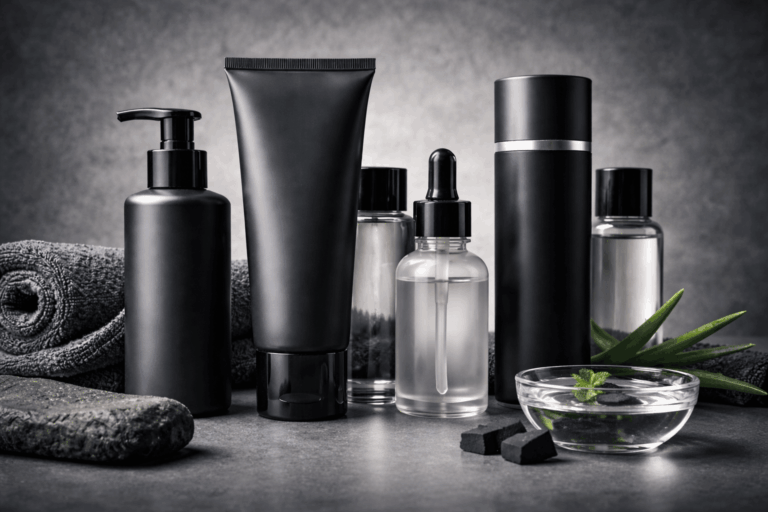
Men’s Skincare Routine & OEM Product Strategy
What does an effective skincare routine for men actually look like, and how can brands develop one that is both practical and scalable using OEM skincare solutions?
As men’s grooming continues to gain traction globally, the demand for straightforward, results-driven skincare routines is rising. Consumers are no longer satisfied with basic soap-and-water approaches; instead, they are seeking targeted products that address concerns such as oil control, acne, sensitivity, and ageing.
This shift presents a significant opportunity for brands to develop tailored product lines through OEM skincare manufacturing, enabling faster market entry and customisation without the need for in-house formulation.
This article explores how to design a complete skin care routine for men, from cleanser to moisturiser, while leveraging OEM capabilities to build an effective, market-ready product range.
Understanding Men’s Skin: Key Differences That Matter
Before designing any skincare routine, it is essential to understand how men’s skin differs from women’s. These biological and behavioural differences directly influence product formulation and routine structure.
1. Thicker and Oilier Skin
Men’s skin is typically around 20–25% thicker and produces more sebum due to higher testosterone levels. This leads to:
- Increased oiliness
- Higher likelihood of clogged pores
- Greater susceptibility to acne
2. Frequent Shaving
Regular shaving introduces:
- Skin irritation
- Micro-cuts
- Increased sensitivity
3. Lower Routine Adoption
Men generally prefer:
- Minimal steps
- Multi-functional products
- Fast, visible results
👉 Implication for OEM skincare brands: Products should be simple, efficient, and designed for ease of use while addressing oil control, soothing, and hydration.
The Core Men’s Skincare Routine (Step-by-Step)
A well-structured routine does not need to be complex. In fact, simplicity is key to user adoption. Below is a foundational routine that OEM skincare brands can develop and customise.
Step 1: Cleanser – The Foundation of Every Routine
Cleansing removes dirt, oil, and environmental pollutants that accumulate throughout the day.
Key Formulation Considerations:
- Gel or foam-based cleansers for oily skin
- Cream-based cleansers for dry or sensitive skin
- Ingredients such as salicylic acid (for acne) or niacinamide (for oil control)
OEM Opportunity:
OEM manufacturers can develop:
- Deep cleansing face washes
- 2-in-1 cleanser + exfoliator hybrids
- Anti-acne targeted cleansers
👉 Positioning angle: “Daily oil-control cleanser for men with active lifestyles”
Step 2: Toner – Balancing and Preparing the Skin
Toners help rebalance the skin’s pH and prepare it for better absorption of subsequent products.
Key Benefits:
- Tightens pores
- Reduces excess oil
- Provides light hydration
Popular Ingredients:
- Witch hazel (oil control)
- Hyaluronic acid (hydration)
- Green tea extract (antioxidant)
OEM Opportunity:
- Alcohol-free toners for sensitive skin
- Hydrating mist toners for convenience
👉 Toners can be positioned as an optional but value-adding step for men seeking enhanced results.
Step 3: Serum – Targeted Treatment
Serums deliver concentrated active ingredients to address specific concerns.
Common Skin Concerns for Men:
- Acne and breakouts
- Dullness
- Fine lines and ageing
Key Ingredients:
- Vitamin C (brightening)
- Retinol (anti-ageing)
- Niacinamide (oil regulation)
OEM Skincare Advantage:
Brands can develop:
- Multi-functional serums (e.g. anti-acne + oil control)
- Lightweight, fast-absorbing formulas suitable for humid climates
👉 This step allows product differentiation and premium positioning.
Step 4: Moisturiser – Locking in Hydration
Moisturising is essential—even for oily skin types. It helps maintain the skin barrier and prevents overproduction of oil.
Types of Moisturisers:
- Gel-based (for oily skin)
- Lotion-based (for combination skin)
- Cream-based (for dry skin)
Key Ingredients:
- Ceramides (barrier repair)
- Hyaluronic acid (hydration)
- Aloe vera (soothing)
OEM Opportunities:
- Oil-free moisturisers for acne-prone skin
- Post-shave soothing moisturisers
- SPF-infused moisturisers (multi-functional)
👉 Moisturisers are often the most frequently used product, making them a core SKU in any OEM skincare line.
Step 5: Sunscreen – The Non-Negotiable Step
Sun protection is critical in preventing:
- Premature ageing
- Hyperpigmentation
- Skin cancer risks
Ideal Formulation:
- Lightweight, non-greasy
- SPF 30 or higher
- Suitable for daily wear
OEM Strategy:
- Develop matte-finish sunscreens for men
- Combine moisturiser + SPF for convenience
👉 This is a high-growth category with strong educational marketing potential.
Designing an OEM Skincare Line for Men
When developing a product range through OEM skincare, brands should focus on both formulation and positioning.
1. Start with a Core Product Set
A basic range should include:
- Cleanser
- Moisturiser
- Sunscreen
Optional add-ons:
- Toner
- Serum
This approach ensures:
- Lower initial investment
- Faster go-to-market strategy
2. Focus on Simplicity and Functionality
Men prefer routines that are:
- Easy to follow
- Time-efficient
- Clearly labelled
Practical Tips:
- Use straightforward product names (e.g. “Daily Face Wash”)
- Highlight key benefits (e.g. “Oil Control”, “Anti-Acne”)
- Consider multi-use formulations
3. Customise for Climate and Market
For markets such as Malaysia or Southeast Asia:
- Lightweight, non-greasy textures are essential
- Sweat-resistant formulations are preferred
- Oil-control benefits are highly valued
OEM partners can tailor formulations to suit these environmental conditions.
4. Incorporate Trending Ingredients
Modern consumers are increasingly ingredient-aware. Popular choices include:
- Niacinamide
- Centella asiatica (Cica)
- Charcoal
- Tea tree oil
OEM skincare manufacturers can help integrate these into formulations while ensuring stability and compliance.
5. Packaging and Branding Considerations
Packaging plays a key role in product perception.
Recommended Approach:
- Minimalist, masculine design
- Neutral colour palettes (black, grey, navy)
- Functional packaging (pump bottles, travel-friendly sizes)
OEM suppliers often provide:
- Private label packaging
- Custom branding options
- Low minimum order quantities (MOQs)
Benefits of Using OEM Skincare for Men’s Product Development
Partnering with an OEM manufacturer offers several strategic advantages:
1. Faster Time to Market
Pre-developed formulations allow brands to launch quickly without extensive R&D.
2. Cost Efficiency
Eliminates the need for in-house laboratories and testing facilities.
3. Scalability
Easily expand product lines based on market demand.
4. Regulatory Compliance
OEM partners ensure products meet local and international safety standards.
5. Customisation
Tailor formulations, fragrances, and packaging to align with brand identity.
Common Mistakes to Avoid
When designing a men’s skincare routine or product line, avoid the following pitfalls:
❌ Overcomplicating the Routine
Introducing too many steps or products can overwhelm users and reduce consistency. Most men prefer a simple, efficient routine that fits easily into their daily schedule.
❌ Ignoring Skin Type Variations
Assuming all men have oily skin can limit product effectiveness. A well-rounded OEM skincare range should cater to oily, dry, sensitive, and combination skin types.
❌ Poor Ingredient Transparency
Failing to clearly communicate ingredients and their benefits can reduce trust. Today’s consumers are more informed and expect transparency in formulations.
❌ Neglecting Consumer Education
Without proper guidance, users may misuse products or skip steps. Clear instructions and benefits help improve adoption, satisfaction, and long-term brand loyalty.
Future Trends in Men’s Skincare
The men’s grooming market continues to evolve, with several trends shaping product development:
- Hybrid products (e.g. moisturiser + SPF + anti-ageing)
- Sustainable packaging and clean formulations
- Personalised skincare solutions
- AI-driven skin analysis integration
OEM skincare manufacturers are increasingly adapting to these trends, offering innovative solutions for brands.
Conclusion: Building a Practical and Scalable Men’s Skincare Routine
Designing an effective skin care routine for men does not require complexity—only clarity, functionality, and targeted formulation. By focusing on essential steps such as cleansing, moisturising, and sun protection, brands can create routines that are easy to adopt and deliver visible results.
Leveraging OEM skincare solutions enables businesses to streamline product development, reduce costs, and bring high-quality products to market efficiently.
Whether launching a new brand or expanding an existing portfolio, OEM partnerships provide the flexibility and expertise needed to stay competitive in the growing men’s skincare segment.
Ready to Launch Your Men’s Skincare Line?
If you are looking to develop a customised men’s skincare product range, partnering with a reliable OEM skincare manufacturer can accelerate your journey from concept to market.
Explore tailored formulations, scalable production, and private labelling solutions to build a skincare line that meets modern consumer expectations—and positions your brand for long-term growth.
Categories
Recent Posts
- Perfume Brands in Malaysia: What Scent Family Are You Actually Wearing?
- How to Pick the Right Perfume for Malaysia’s Weather
- Best Perfume for Men in Malaysia: Notes, Occasions, and Manufacturing Options
- Best Perfume for Women in Malaysia: Notes, Occasions, and Custom Options
- How to Build a Profitable Perfume Brand in 2026
- Perfume Concentration Guide: How to Choose Between Parfum, EDP, and EDT
- Private Label vs Custom Perfume: Which Fragrance Model Fits Your Malaysian Brand?
- Sunscreen & SPF Products: How to Launch an OEM Suncare Line in Malaysia
- Private Label Skin Care MOQ Explained: How Much Stock Do You Really Need to Start?
- OEM Hair Care & Shampoo Manufacturing in Malaysia: Starting Your Own Brand From Scratch


