
Skincare Trends 2026: Key Innovations Shaping the Future of Skincare
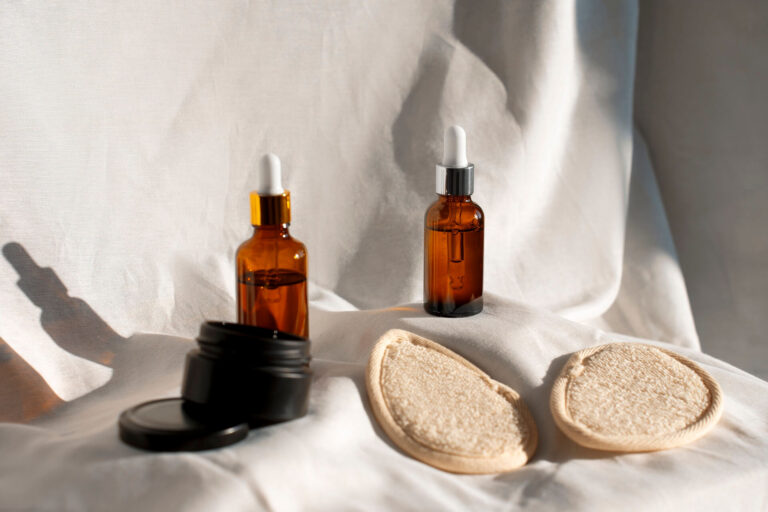
Skincare Trends 2026: What Brands and OEM Manufacturers Need to Know
Have you considered how the rapidly evolving world of skincare will shape your product development strategy in 2026?
As consumer needs grow more sophisticated and scientific innovation accelerates, the skincare market is entering a new era defined by longevity, personalised science, and sustainable performance.
For brand owners and entrepreneurs exploring partnerships with a skincare OEM or negotiating with their OEM skin care manufacturer, understanding these evolving skincare trends is no longer optional—it’s essential for staying relevant in a competitive landscape.
This article highlights the key trends expected to shape the global skincare industry in 2026, offering practical insights that help brands align product development with consumer expectations and market demand.
Whether you’re launching a new line or refining existing formulations, these predictions will empower you to make informed decisions with your manufacturing partner.
The Big Picture: What’s Driving Skincare Trends in 2026
The skincare consumer of 2026 is different from that of a few years ago. Today’s consumers are more knowledgeable, ingredient-savvy, and values-driven. They’re looking for products with clear efficacy, supported by science and personalised to their unique skin needs. This shift is being shaped by:
- Rising demand for long-term skin health (longevity) rather than quick “beauty fixes.”
- Advances in delivery systems and biotechnology that make active ingredients more effective and gentler.
- Data and AI-driven customisation that aligns products with individual skin profiles.
- Holistic, minimalist routines focused on integrity of the skin barrier, microbiome, and natural resilience.
For a brand owner, these trends signal a market that prizes authenticity, transparency, and performance—making it imperative that your OEM skin care manufacturer can deliver formulations that meet both scientific standards and consumer expectations.
Trend 1: Longevity and Skin Health — The New Foundation
In 2026, longevity is expected to be more than a buzzword; it’s becoming a philosophy that drives product creation and consumer demand. Studies and editorial forecasts from leading publications indicate that long-term skin health—focused on resilience, repair, and prevention—is ushering in a new prioritisation of anti-aging ingredients that deliver real results.
This includes:
- Advanced Peptides and Growth Factors: Targeted to support collagen production and cellular regeneration.
- Smart Retinoid Formulations: Refined retinoids that balance potency with gentleness for regular use.
- Next-Gen Vitamin C Delivery: More stable, bioavailable variants that protect and brighten skin long-term.
For brand owners, these insights should be shared early with your skincare OEM manufacturer. Selecting high-performance actives and ensuring advanced delivery systems can significantly elevate product differentiation and consumer satisfaction.
Trend 2: Back to Basics — Science Over Hype
After years of maximalist skincare routines and trend-driven product launches, 2026 is expected to champion science-backed simplicity. Dermatologists and industry experts agree that routines anchored in core, evidence-based ingredients—reinforced with modern formulation technologies—will outperform gimmicky or overly complex regimens.
What this means for brands:
- Reduced clutter in ingredient lists with a focus on fundamentals like SPF, barrier repair, antioxidants, and gentle actives.
- Formulations that are easy to understand and translate into effective routines.
- A shift away from fleeting microtrends to durable, evidence-based products.
As a brand owner, discussing your formulation philosophy with an OEM skin care manufacturer ensures alignment between marketing claims and scientific validation—boosting credibility and consumer trust.
Trend 3: Personalisation and AI-Driven Skincare
Skin health is personal. In 2026, consumers expect products that feel tailored to their unique skin type, concerns, and lifestyle. Advances in digital diagnostics and AI analysis are transforming how personalised skincare is conceptualised.
According to recent trend data, AI and data-driven personalization—including assessments based on skin imaging and lifestyle inputs—will be central to consumer demand.
This shift has several implications:
- Customised formulations that reflect data-driven needs.
- Smart product systems that adapt to seasonal or environmental changes.
- Marketing opportunities that emphasise responsive, personalised care.
For brands, leveraging these trends means collaborating with skincare OEM partners that support customisation at scale—whether through modular formula builds, flexible batching, or multi-variant product lines.
Trend 4: Microbiome-Friendly and Barrier-Focused Formulas
Increasingly, skincare is being developed with the skin’s ecosystem in mind. Rather than stripping or over-stimulating the skin, the emphasis is on protecting and nurturing the skin barrier and microbiome.
Key opportunities for product innovation include:
- Prebiotic and postbiotic actives that support microbial balance.
- Barrier-strengthening ceramides and lipids to reduce sensitivity and inflammation.
- Gentle exfoliants like polyhydroxy acids and enzyme peels that minimise irritation.
Products with these benefits resonate strongly with consumers seeking long-term skin wellness, and they offer differentiating features brands can highlight in marketing and product positioning.
Trend 5: Regenerative Aesthetics and Biomimetic Ingredients
Another major 2026 trend is the rise of regenerative aesthetics and biomimetic ingredients—substances that mimic natural skin functions or accelerate the skin’s innate repair mechanisms.
Examples include:
- Advanced peptide complexes designed to support extracellular matrix health.
- Biomimetic molecules like polydeoxyribonucleotide (PDRN) that echo cellular healing processes.
These ingredients speak to the next wave of performance skincare—appealing to consumers who want to complement in-clinic procedures with effective at-home care.
When aligning with an OEM skin care manufacturer, it’s crucial to discuss sourcing, stability, and scaling strategies for sophisticated actives that offer genuine skin benefits.
Trend 6: Sustainability and Clean Formulation
Consumers are increasingly prioritising sustainability and ethical sourcing. While not exclusive to 2026, the emphasis on clean, transparent, and environmentally responsible products continues to grow.
This translates into:
- Biodegradable packaging options
- Ingredients with traceable origins
- Minimal-impact formulations that avoid unnecessary chemicals
Addressing sustainability in early formulation discussions with your skincare OEM partner increases alignment with consumer values and strengthens brand positioning in a crowded marketplace.
Trend 7: Bodycare and Full-Spectrum Skincare
A broader approach to skincare is emerging—one that expands beyond the face to include body, scalp, and neck care. Experts predict that treatments and formulations once reserved for facial care will evolve into full-body wellness.
For brand owners, this creates opportunities to:
- Extend product lines into complementary categories
- Develop targeted body serums, lotions, and SPF formulations
- Address under-served markets with focused solutions
A forward-thinking OEM skincare manufacturer can help you build a cohesive suite of products that capture this trend.
Trend 8: K-Beauty Influence and Global Rituals
K-beauty continues to influence global skincare culture, with innovative textures, layering techniques, and ingredient philosophies gaining traction worldwide.
Trends emerging from this influence include:
- Sheet masks and essence rituals adapted for Western routines
- Fermented botanicals that provide hydration and resilience
- Multi-step systems that balance tradition with science-driven performance
Brands that incorporate these elements can create products that feel both familiar and innovative—especially when collaborating with an OEM skin care manufacturer capable of blending cultural inspiration with clinical efficacy.
How to Discuss These Trends with Your Skincare OEM
Understanding 2026 skincare trends is only the first step. To turn insight into commercial success, proactive communication with your skincare OEM partner is crucial.
Here are key questions to address:
- Ingredient Stability and Compatibility
Can your manufacturer source and stabilise advanced actives like peptides or biomimetics? - Customisation and Flexibility
Are variable formulations and personalised solutions supported in production runs? - Sustainability Practices
Does the manufacturing partner offer eco-friendly packaging or clean formulation capabilities? - Scalability and Quality Control
How does the OEM ensure quality consistency as a brand scales? - Regulatory Compliance and Safety
Are ingredients compliant with key global markets your brand targets?
By framing product development conversations around these emerging skincare trends, brand owners can co-create with their OEM skin care manufacturer products that are not only current but future-proofed.
Conclusion
The skincare landscape in 2026 is defined by science, intentional minimalism, personalised solutions, and sustainability. For brand owners ready to capitalize on these evolving consumer expectations, partnering with a knowledgeable and flexible skincare OEM is essential.
Aligning formulation strategies with trending innovation—whether longevity science, microbiome-friendly actives, or intelligent delivery systems—not only enhances product performance but also strengthens brand identity in a competitive space.
Remember: skincare trends are more than seasonal buzzwords—they are indicators of consumer values and unmet needs.
When navigated strategically with an agile oem skin care manufacturer like Everfresh Premium, these trends become opportunities to lead, innovate, and grow.
Categories
Recent Posts
- Skincare Trends 2026: Key Innovations Shaping the Future of Skincare
- Skincare Trends 2026: Key Innovations Shaping the Future of Skincare
- TikTok Skincare Trends: How Viral Beauty Products Are Shaping the Next Generation of Skincare Brands
- How We Co-Create With Clients: A Transparent OEM Cosmetic Process
- A Complete A–Z of Beauty Products for New Brand Startups
- Common Confusions About OEM Beauty Products for New Brand Startups
- Understanding Skin Types: A Key to Developing Targeted Skincare Products for Your Brand
- Understanding Targeted Skincare Formulations: A Beginner’s Guide
- Skin Care Manufacturing Process and Key Considerations for Choosing an OEM Provider
- From TikTok to Vanity Shelf: Skincare Trends Gen Z Is Buying in 2026


